Get Septic System Maintenance in Denver, CO
Septic system maintenance services for Denver-area property owners include inspections, pump-outs, repairs, and troubleshooting to prevent backups, odors, and system failures.
Septic system maintenance is a vital consideration for property owners in Denver, CO, especially given the area's unique soil conditions and seasonal weather patterns. Proper upkeep helps ensure the system functions reliably, reduces the risk of costly backups, and extends the lifespan of the entire setup. Whether managing a residential property or a commercial site, staying on top of maintenance can provide peace of mind and help avoid unexpected issues that may disrupt daily routines.
Property owners exploring septic system services in the Denver area can find a variety of local contractors equipped to handle routine inspections, cleaning, and system repairs. Comparing these local options allows for informed decisions tailored to specific property needs. As this work involves understanding local regulations and conditions, connecting with experienced service providers can support effective planning and ensure the system remains dependable over time. Keep reading to discover how to find the right septic maintenance solutions nearby.
- Septic System Inspection - needed when experiencing slow drains or foul odors in homes across Denver neighborhoods.
- Septic Tank Pumping - required when the tank is full to prevent backups and system failure in residential areas.
- Septic System Repairs - necessary after detecting leaks, cracks, or other damage to ensure proper function in suburban communities.
- Septic System Replacement - needed when existing systems are outdated or no longer meet the property’s needs in local rural properties.
- Septic System Maintenance - essential for ongoing health and performance of septic systems in homes throughout Colorado Springs and nearby towns.
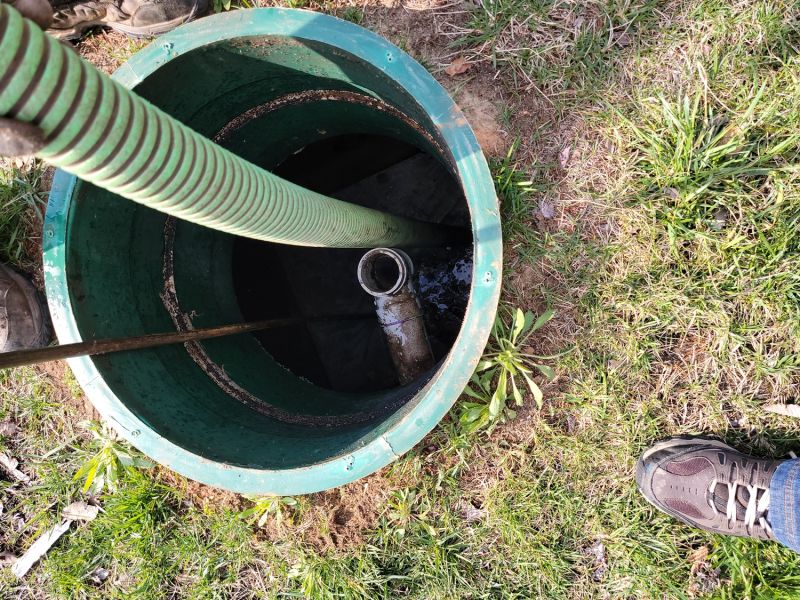
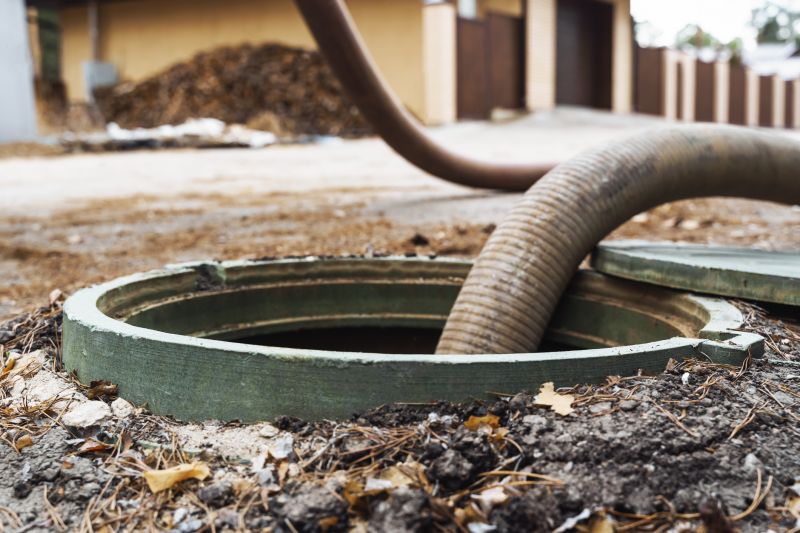
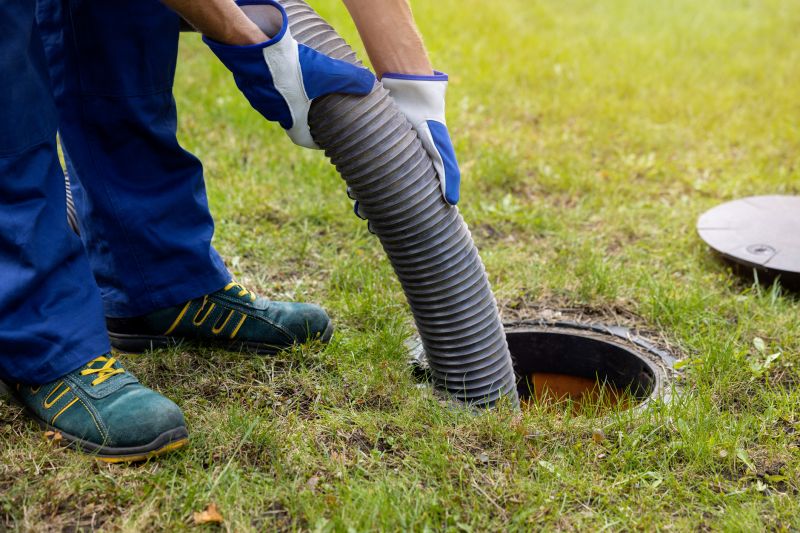
Septic system maintenance services typically involve regular inspections, pumping, and cleaning of the septic tank to ensure it functions properly. Over time, solids and sludge can build up in the tank, which, if left unchecked, can lead to system backups or failures. Routine maintenance helps remove these accumulations, preventing blockages and reducing the risk of unpleasant odors or sewage leaks. Many service providers also perform system checks to identify potential issues early, helping homeowners avoid costly repairs and ensuring their septic system remains reliable for years to come.
Addressing common problems with septic systems is a key focus of maintenance services. When a septic tank becomes too full or clogged, it can cause slow drainage, sewage backups, or standing water around the drain field. These issues often stem from neglect or infrequent pumping, but they can also be caused by improper use or damage to the system components. Regular maintenance can help identify and resolve these problems before they escalate, saving homeowners from emergency repairs and extensive property damage.
Septic system maintenance is most often needed for properties that rely on septic tanks rather than municipal sewer connections. This includes rural homes, properties with large or multiple-family residences, and some commercial buildings in areas where sewer lines are unavailable. Homes with older systems or those experiencing drainage issues may also benefit from maintenance services. In general, any property with a septic system should schedule regular inspections and pumping to keep the system running smoothly and to prevent unexpected failures.
Homeowners should consider septic system maintenance if they notice signs such as slow drains, gurgling sounds in plumbing fixtures, or foul odors around the property. Additionally, if the property has experienced heavy rainfall or flooding, it may be wise to have the system checked. Regular maintenance can extend the lifespan of a septic system and help avoid costly repairs or replacements. Contacting local service providers for routine inspections and pumping can provide peace of mind and ensure the septic system continues to serve the property effectively.
The overview below groups typical Septic System Maintenance projects into broad ranges so you can see how smaller, mid-sized, and larger jobs often compare in Denver, CO.
In many markets, a large share of routine jobs stays in the lower and middle ranges, while only a smaller percentage of projects moves into the highest bands when the work is more complex or site conditions are harder than average.
Routine Maintenance - Many local contractors charge between $250 and $600 for regular septic system inspections, pumping, and basic servicing. Most routine jobs fall within this middle range, providing essential upkeep to prevent costly repairs.
Minor Repairs - Small repairs such as replacing a damaged baffle or fixing a leak typically cost between $150 and $500, depending on the issue's complexity. These projects are common and usually fall into the lower to mid-price bands.
Septic System Replacement - Full replacement of a septic system can range from $3,500 to $7,000 or more, especially for larger properties or complex site conditions. Many projects in this category tend to be at the higher end of the spectrum due to installation costs.
Large or Complex Projects - Extensive repairs or system upgrades, such as adding a new drain field or dealing with contaminated soils, can reach $10,000 or higher. While less frequent, these larger projects typically involve specialized work by local service providers.
Actual totals will depend on details like access to the work area, the scope of the project, and the materials selected, so use these as general starting points rather than exact figures.
Drain Field Installation - local contractors who install drain fields for septic systems often use similar planning and excavation skills as septic maintenance projects.
Septic Tank Pumping - professionals who perform septic tank pumping need to understand system components and proper cleaning techniques, aligning with maintenance services.
Septic System Inspection - inspection specialists assess system functionality and identify issues, requiring diagnostic skills comparable to septic system troubleshooting.
Soil Testing and Evaluation - soil testing experts evaluate site conditions for septic system suitability, sharing planning and assessment skills with maintenance providers.
Leach Field Repair - repair services for leach fields involve similar excavation and system evaluation techniques as routine septic system upkeep.
Septic System Replacement - replacement projects require detailed planning and system installation skills akin to regular maintenance and servicing tasks.
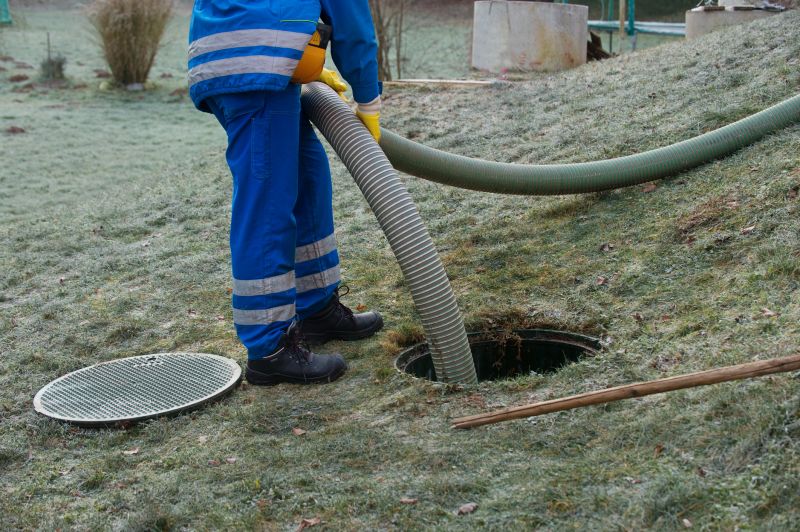
When evaluating septic system maintenance providers in Denver, CO, it’s important to consider their experience with similar projects. Homeowners should look for service providers who have a track record of handling septic maintenance tasks comparable to their specific needs. Asking about the types of systems they’ve serviced and how long they’ve been working in the area can help gauge their familiarity with local soil conditions and regulations. This background can be a helpful indicator of their ability to deliver reliable service tailored to the unique requirements of properties in the region.
Clear, written expectations are essential when comparing local contractors for septic system maintenance. Homeowners should seek providers who can outline their scope of work, including what tasks will be performed, what materials or parts are involved, and any necessary follow-up or maintenance recommendations. Having these details documented helps ensure that everyone is on the same page and reduces the potential for misunderstandings. It also provides a basis for comparing different service providers based on the thoroughness and transparency of their proposals.
Reputable references and effective communication are key factors in choosing a septic system maintenance provider. Homeowners are encouraged to ask for references from past clients or check for testimonials that speak to the contractor’s reliability and quality of work. Good communication throughout the process-such as prompt responses to inquiries and clear explanations of procedures-can make the experience smoother and more predictable. While the site introduces homeowners to local options, it’s important to remember that the actual work is performed by qualified service providers who can meet these criteria.
Property owners in Denver, CO use Septic System Maintenance services for practical projects around their homes and businesses. This guide focuses on everyday jobs and straightforward project options.
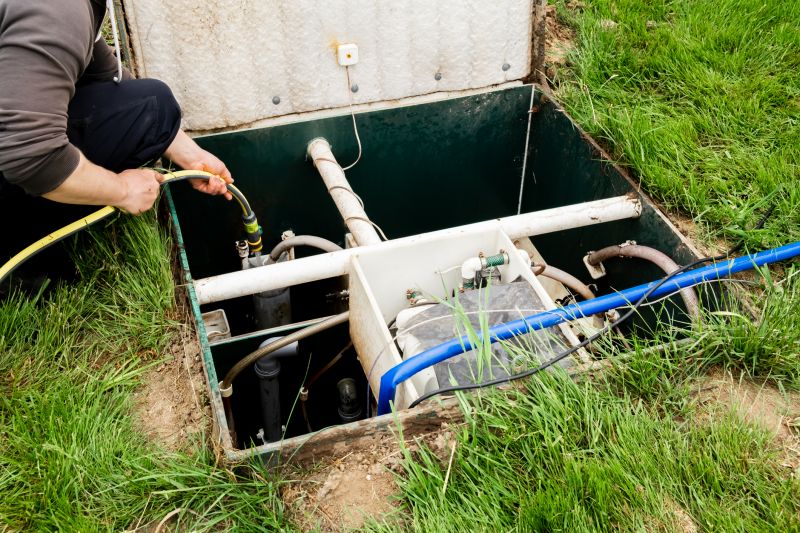
Septic system maintenance is a common concern for property owners in Denver, CO, especially for those with older systems or properties in rural and suburban areas. Routine inspections and cleaning can help prevent issues like backups or odors, which are often caused by accumulated solids or system clogs. Homeowners might seek out local contractors when they notice signs such as slow drains, gurgling sounds, or foul smells coming from their septic tanks. Regular upkeep by experienced service providers can ensure the system functions properly and helps avoid costly repairs or replacements down the line.
In addition, property owners planning renovations, additions, or new construction often need septic system assessments or upgrades to meet local regulations. Seasonal changes, heavy usage, or nearby landscaping projects can also impact septic performance, prompting the need for professional maintenance. Local service providers are equipped to handle these situations, offering inspections, pumping, and repairs tailored to the unique needs of Denver-area homes and properties. Connecting with trusted contractors can help ensure septic systems remain reliable and compliant with local standards.
How often should a septic system be inspected? It is generally recommended to have a septic system inspected by a professional service provider at least once every three years to ensure proper functioning and identify potential issues early.
What maintenance tasks are typically needed for a septic system? Common maintenance tasks include regular pumping, checking for leaks or clogs, and ensuring that the drain field is functioning properly, all of which can be handled by local contractors experienced in septic system care.
Are there signs that indicate a septic system needs maintenance? Signs such as slow drains, foul odors, standing water near the tank, or backups in plumbing fixtures may suggest that a septic system requires professional attention from local service providers.
Can I perform septic system maintenance myself? While some basic upkeep might be manageable, most maintenance tasks, including pumping and inspections, are best performed by experienced local contractors to ensure safety and proper care.
What factors can affect the lifespan of a septic system? Factors such as proper maintenance, usage habits, and soil conditions can influence how long a septic system remains functional, with regular professional servicing helping to extend its lifespan.
Septic System Inspection - Regular inspections help property owners identify potential issues early, preventing costly repairs and system failures.
Drain Field Maintenance - Proper upkeep ensures efficient wastewater absorption, reducing the risk of backups and extending system lifespan.
Tank Pumping Services - Scheduled pumping removes accumulated sludge, maintaining system performance and avoiding overflows.
System Repair & Troubleshooting - Professionals can diagnose and fix common septic problems to keep the system functioning smoothly.
If you are thinking about Septic System Maintenance for a property in Denver, CO, this guide is meant to help you understand the work, the typical project types, and how different options might fit your plans.
When you are ready, you can use the quote form on this page to share a few details about your project. From there, local pros can review the basics and respond with options that match what you have in mind.