Get Septic System Maintenance in Denver County, CO
Septic system maintenance services for Denver County property owners include inspections, cleaning, repairs, and addressing issues like backups or odors to ensure proper function.
Property owners in Denver County, CO, who rely on septic systems for their homes or businesses may find it beneficial to explore professional maintenance services. Regular upkeep can help prevent potential issues, such as system backups or costly repairs, ensuring the smooth operation of septic systems over time. By planning routine inspections and maintenance with experienced contractors in the area, property owners can protect their investments and maintain a safe, functional property environment.
For those considering septic system maintenance, comparing local service providers can help identify the best options for their specific needs. Local contractors understand the unique requirements of properties in Denver County and surrounding areas, offering tailored solutions to keep septic systems in optimal condition. Continuing to read can provide valuable insights into how professional services can support property management and long-term system performance.
- Septic System Inspection - when signs of system failure or slow drainage appear in Denver neighborhoods.
- Septic Tank Pumping - needed when wastewater levels rise or odors become noticeable in nearby areas.
- Septic System Repairs - required after system backups or damage from heavy rain in communities around Denver County.
- Septic System Replacement - necessary when the existing system no longer functions properly or is outdated.
- Septic System Maintenance - essential for property owners wanting to prevent costly issues in residential or commercial properties near Denver.
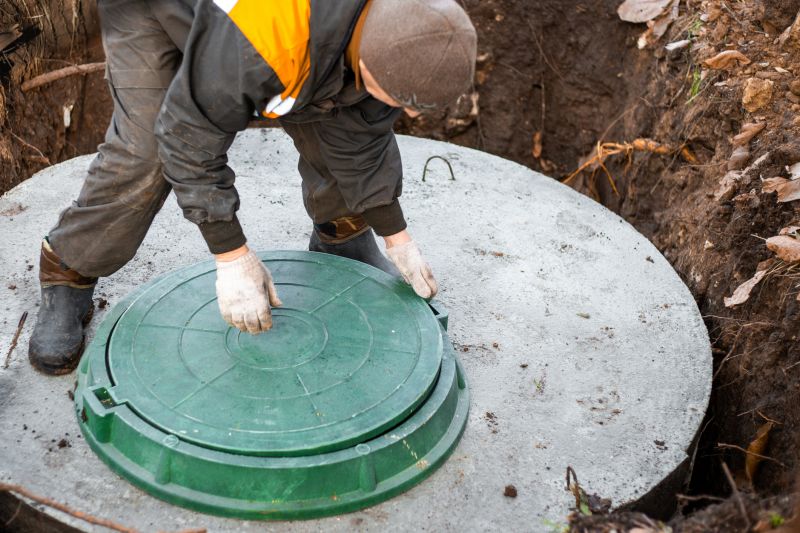
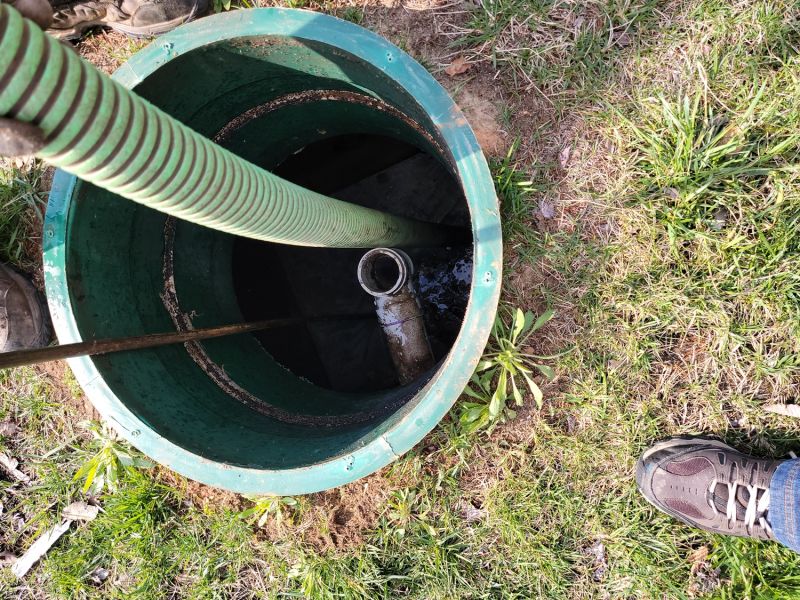
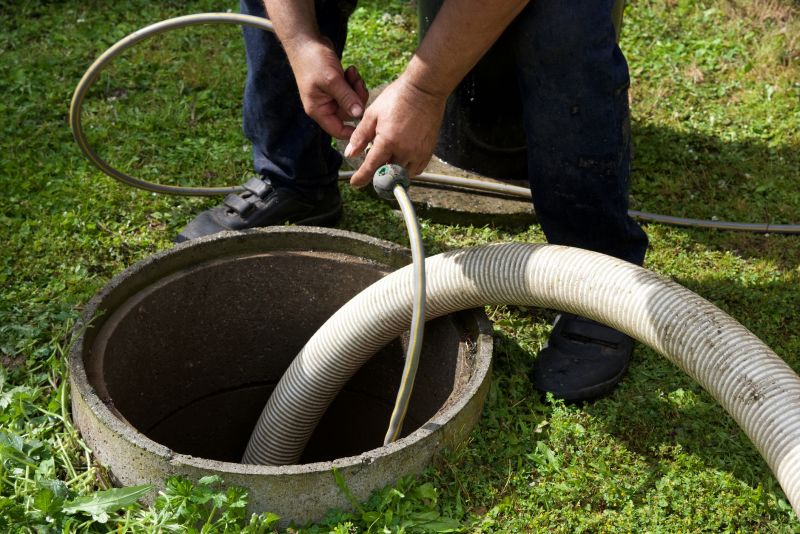
Septic system maintenance services involve regular inspections, cleaning, and pumping to ensure the system functions properly over time. These services typically include removing accumulated sludge and scum from the septic tank, checking for signs of leaks or damage, and assessing the overall condition of the system components. Proper maintenance helps prevent blockages and backups, which can cause unpleasant odors, property damage, and costly repairs. By scheduling routine upkeep, homeowners can keep their septic systems operating smoothly and extend their lifespan.
Many common problems can be avoided through consistent septic system maintenance. Over time, solids build up in the tank and can lead to clogs or overflows if not regularly removed. Additionally, issues like root intrusion, damaged baffles, or cracked tanks often stem from neglect or aging components. Regular inspections can catch these problems early before they escalate into more serious and expensive repairs. Maintenance also helps identify potential issues caused by improper usage, such as excessive water use or flushing inappropriate materials, which can compromise the system’s effectiveness.
Septic system maintenance services are typically needed for residential properties that rely on septic tanks rather than municipal sewer connections. This includes single-family homes, rural residences, and properties with large or infrequently used buildings. Homes with aging systems or those experiencing symptoms like slow drains, gurgling sounds, or foul odors may benefit from a professional assessment and maintenance. Regular servicing is especially important for properties that have experienced previous issues or are located in areas with high water tables, where system failure can lead to significant property damage.
Property owners should consider septic system maintenance when they notice signs of trouble or during routine check-ups. Common indicators include persistent odors, backups in toilets or drains, or standing water around the septic tank area. Even if no problems are apparent, scheduling periodic inspections and pumping can help prevent emergencies and ensure the system remains in good working order. Connecting with local contractors who specialize in septic maintenance provides an opportunity to compare services and find a provider suited to the specific needs of a property, helping to maintain a healthy, trouble-free septic system.
The overview below groups typical Septic System Maintenance projects into broad ranges so you can see how smaller, mid-sized, and larger jobs often compare in Denver County, CO.
In many markets, a large share of routine jobs stays in the lower and middle ranges, while only a smaller percentage of projects moves into the highest bands when the work is more complex or site conditions are harder than average.
Routine Maintenance - Many local contractors charge between $250 and $600 for routine septic system inspections, pumping, and minor repairs. These services are typically performed every 3 to 5 years, with most projects falling within this mid-range cost band.
Small Repairs - Minor repairs such as replacing a damaged baffle or fixing a blockage often cost between $150 and $800. Many jobs in this category are straightforward and tend to stay within the lower to middle end of this range.
Septic Tank Pumping - Pumping a standard residential septic tank usually costs between $250 and $500, with larger tanks or difficult access potentially increasing the price. Many homeowners budget within this range for regular maintenance.
Full System Replacement - Replacing an entire septic system can range from $3,500 to $7,000 or more, depending on soil conditions and system size. Larger, more complex projects can reach $10,000+, though these are less common for typical residential properties in the area.
Actual totals will depend on details like access to the work area, the scope of the project, and the materials selected, so use these as general starting points rather than exact figures.
Drain Field Repair - contractors who specialize in diagnosing and fixing issues with underground drainage systems often use similar planning and excavation skills as septic system maintenance.
Septic Tank Pumping - local service providers frequently offer pumping services that require knowledge of septic tank systems and proper waste removal techniques.
Septic System Installation - professionals installing new septic systems utilize similar site assessment, excavation, and system setup skills as maintenance projects.
Drainage System Installation - experts installing yard drainage or French drains share planning, trenching, and soil management skills relevant to septic system upkeep.
Leach Field Replacement - contractors replacing or upgrading leach fields use comparable excavation, soil testing, and system design expertise as septic maintenance.
Tank Inspection Services - specialists performing inspections for septic tanks apply similar diagnostic techniques and equipment used in maintenance assessments.
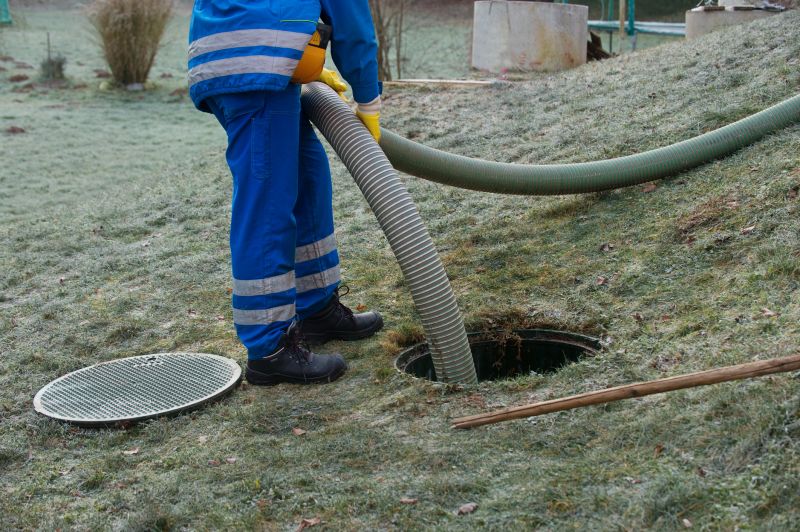
When choosing a contractor for septic system maintenance, it’s important to consider their experience with similar projects in the Denver County area. Homeowners should look for service providers who have a proven track record of handling septic system services comparable to their specific needs. Asking for references or examples of past work can help gauge a contractor’s familiarity with local soil conditions, system types, and common challenges faced in the region. This focus on experience ensures that the selected professional understands the unique aspects of septic maintenance in the local environment, which can contribute to more reliable and effective service.
Clear written expectations are essential when comparing local service providers for septic system maintenance. Homeowners should seek out contractors who provide detailed descriptions of the scope of work, including what services will be performed and any necessary follow-up or maintenance tasks. Having a written outline helps prevent misunderstandings and ensures that both parties are aligned on the project’s goals. It also allows homeowners to compare proposals more effectively, ensuring that the chosen provider offers transparent communication and a comprehensive approach to septic system care.
Effective communication and reputable references are key indicators of a dependable local contractor. Homeowners are encouraged to inquire about how service providers communicate throughout the project, including their responsiveness and clarity in explaining procedures or recommendations. Additionally, seeking out references from previous clients can provide insights into the contractor’s professionalism, reliability, and quality of work. By prioritizing contractors with strong communication skills and positive references, homeowners can feel more confident in their choice of service provider for septic system maintenance, knowing they are engaging with professionals who value transparency and customer satisfaction.
Property owners in Denver County, CO use Septic System Maintenance services for practical projects around their homes and businesses. This guide focuses on everyday jobs and straightforward project options.
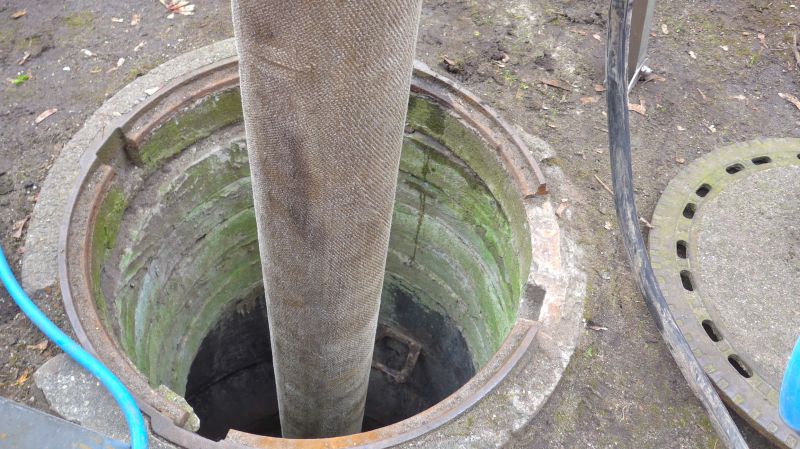
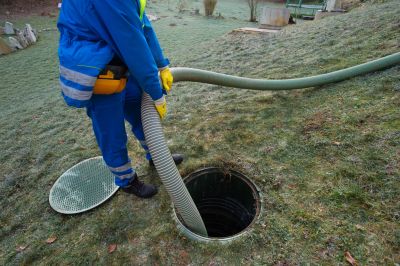
Septic system maintenance is often needed when property owners in Denver County notice slow drains, unpleasant odors, or standing water around their drain field. Regular inspections and routine upkeep can help prevent backups or system failures, especially in areas where homes rely on septic tanks rather than municipal sewer services. Local contractors experienced in septic care can provide the necessary services to keep systems functioning properly, reducing the risk of costly repairs and ensuring the property remains comfortable and functional.
Property owners may seek septic system services after experiencing issues such as recurring clogs or after a property has been vacant for an extended period. Additionally, routine maintenance might be needed to comply with local health regulations or to prepare for property transactions. Local service providers can assist with tasks like tank pumping, system inspections, and minor repairs, helping homeowners maintain their septic systems and avoid unexpected disruptions.
How often should a septic system be inspected? Regular inspections are recommended at least once every three years to ensure proper function and identify potential issues early.
What maintenance tasks are necessary for septic systems? Routine maintenance includes pumping the tank, checking for leaks, and inspecting the drain field to prevent system failure.
Can septic systems be cleaned or serviced without excavation? Yes, many service providers offer cleaning and maintenance options that do not require excavation, depending on the system's condition.
What signs indicate a septic system may need maintenance? Signs include slow drains, unpleasant odors, standing water near the tank or drain field, or backups in plumbing fixtures.
How can local contractors help with septic system maintenance? They can perform inspections, routine pumping, repairs, and advise on proper maintenance practices to keep the system functioning properly.
Septic System Inspection - Regular inspections help identify potential issues early, preventing costly repairs and ensuring the system functions properly during daily use.
Tank Pumping Services - Scheduling routine pumping keeps the septic tank from overflowing, especially important for households with high water usage or multiple residents.
Drain Field Maintenance - Proper maintenance of the drain field can extend its lifespan and maintain effective waste dispersal for everyday household needs.
System Repairs and Upgrades - Local contractors can assist with fixing or upgrading septic components to improve efficiency and accommodate changes in property use.
If you are thinking about Septic System Maintenance for a property in Denver County, CO, this guide is meant to help you understand the work, the typical project types, and how different options might fit your plans.
When you are ready, you can use the quote form on this page to share a few details about your project. From there, local pros can review the basics and respond with options that match what you have in mind.